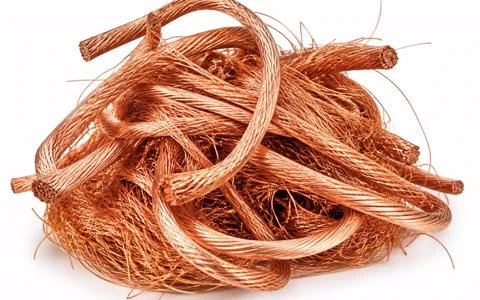
Millberry copper
Article No MET-KU-MILL
up to
11,13 €
/kg
- up to 40 kg 10,60 €
- from 40 kg 10,81 €
- from 100 kg 10,97 €
- from 250 kg 11,13 €
Estimated payment:
What copper brings today – daily price per grade, from the bare Millberry wire to the plug cable.
10,60 €/kg
for copper Millberry – the grade with the highest classification. All other copper grades are shown in the table below. With the quantity scale up to € 11,13/kg from 250 kg.
The gradeThere is not one copper price, but one per grade. What your scrap metal does is determined by purity, isolation and adhesion – not by weight alone. Enter your amount: The expected proceeds are immediately next to it, and you can put the grade right into the sales basket.
Estimated payment:
Estimated payment:
Estimated payment:
Estimated payment:
Estimated payment:
Estimated payment:
Estimated payment:
Estimated payment:
Estimated payment:
Estimated payment:
Estimated payment:
Estimated payment:
Estimated payment:
Estimated payment:
Daily prices, daily checked. They apply to pure scrap metal. The decisive factor is the calibrated weighing after the assessment – the data are a guideline, not a commitment.
Calculated with today's price for copper Millberry – the highest grade – and with the quantity scale, not with the basic price times quantity. Started, lacquered or isolated scrap metal is below; the grade table above shows how much.
| Quantity | Price per kg | Revenues at best classification |
|---|---|---|
| 1 kg | 10,60 € | 10,60 € |
| 5 kg | 10,60 € | 53,00 € |
| 10 kg | 10,60 € | 106,00 € |
| 25 kg | 10,60 € | 265,00 € |
| 50 kg | 10,81 € | 540,50 € |
| 100 kg | 10,97 € | 1.097,00 € |
From €1,000 payment, the Money Laundering Act requires an ID card. Up to 1,000 kg you can send in copper as a DHL package throughout Germany; from 500 kg we pick up.
A current copper price is only valid for the day it is created – therefore, the table is at the top of this page and not in a flow text. Current copper prices can be found there, from the bare Millberry wire to the plug cable, together with the date of the respective stand. Anyone who wants to know the old copper price at the moment needs both: the quotation and the grade that it is about.
Copper is traded on the stock exchange, worldwide and on a daily basis. What is listed in London and on the other metal exchanges is pure copper in the form of standardized cathodes – a raw material with fixed content, fixed form and a defined supply condition. From this quotation, the exchange rate and the demand of the huts arises the current copper price, which you hear in the news.
He is moved by things that no one in Ludwigshafen has any influence on: mine mining in Chile and Peru, stockpiles, power grids and electric mobility, construction activities in Asia, the dollar rate. Therefore, current copper prices change daily, sometimes several times a day. A price that is once entered on a website and then forgotten is worthless after two weeks. The current stand is therefore at the top of this page and will be followed every working day – together with all other grades under Metal prices.
What you're delivering is not a cathode copper. There is work between your scrap metal and the stock exchange listing: sorting by grade, separation of foreign metals, processing, weighing, transport to the hut and the melting loss. This span is not arbitrariness of the dealer, but the path that the scrap metal still has ahead of it.
The less of it is needed, the closer your proceeds are to the listing. Cleanly sorted, blank copper hardly needs any processing. A mixed post made of painted wire, tinned ends and screwed-on iron parts needs it all.
If you are looking for "copper price up-to-date", you will first find the stock exchange listing for pure copper. Whoever has old copper in the basement needs another number: the old copper price. This refers to used copper – pipes, cables, winding wire, sheet metal, fittings – and depends on the type of scrap metal your metal is classified into.
Worlds lie between the highest and lowest copper grades. So there is no The Old copper price. There is a price per grade, and the current old copper price for your product depends on which grade it is allocated. The table below shows exactly what 1 kg, 10 kg and 100 kg of copper can bring today, calculated by grade. The copper price in euros per kilo is thus directly readable for each classification, and also the value of a larger item.
Everything concerning specially mixed, contaminated or difficult to sort scrap metal is on the side Copper scrap.
The copper price kg is shown in the table above, separated by grade. If you want to know what copper price means 1 kg for your own lot, you need two details: the weight and the grade. A kilo of blank wire and a kilo of painted old copper are far apart, although the scales indicate the same.
The path is not worth a single kilogram: the proceeds for each type of copper are less than the minimum amount of 25 euros per process. It becomes meaningful as soon as several kilograms come together — or when copper goes along with other scrap metal. Brass, aluminium and stainless steel are charged in the same process, each grade with its own copper purchase price or the price of its group.
The copper price per kg you see here is the maximum price of the respective grade. From the scale quantity, something is added to each grade; the quantity table below shows when.
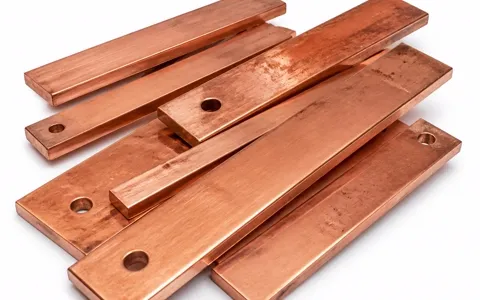
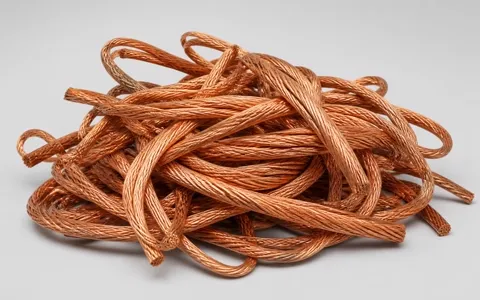
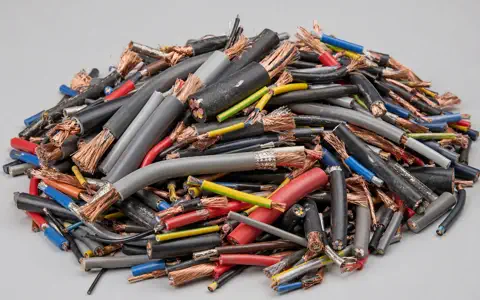
Millberry copper is the highest classification: bare, clean copper wire without varnish, without thick oxide layer, without adhesions. Directly below follows Cu Berry 98 – also bare copper, but with start-up paint or in the form of clean pipes, sheets and profiles.
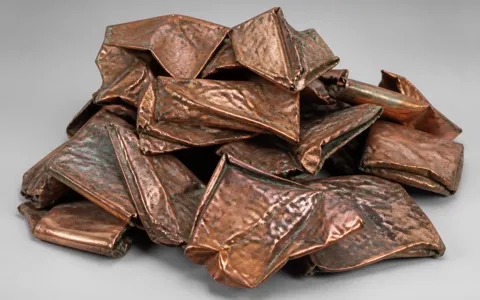
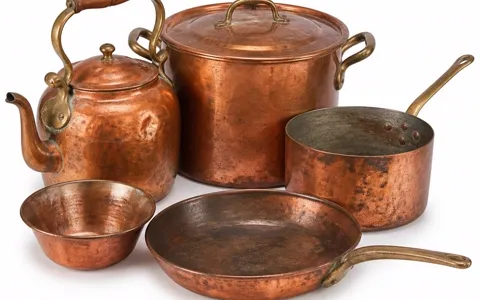
Refining-grade copper Summarizes what copper is, but not plain: started, oxidized, lacquered or soldering copper, coil wire from motors, pipes with soldering points. Cu hard is below and means copper with stronger foreign shares – is expected here based on the contained copper, not on the gross weight.
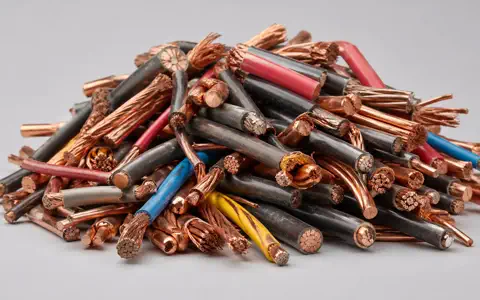
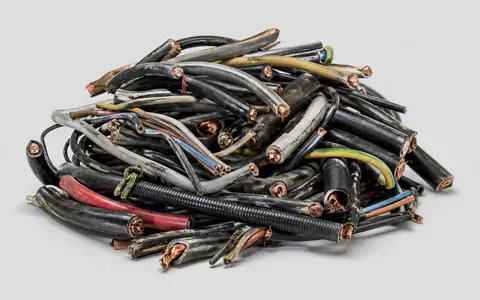
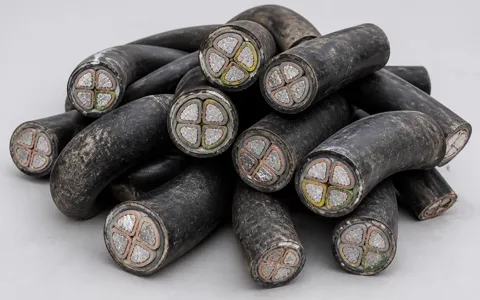
In the case of cables, the weight on the balance does not count, but what is left after stripping. There are therefore classifications such as: Copper cable approx. 70 for copper-rich, thick-wired goods and Copper cable approx. 60 for cables with more insulation in relation to the conductor. A thick earth cable brings much more per kilo than an equally heavy roll of thin sheath line – the difference lies in the proportion of the conductor alone.
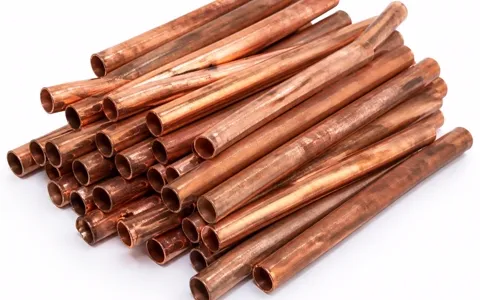
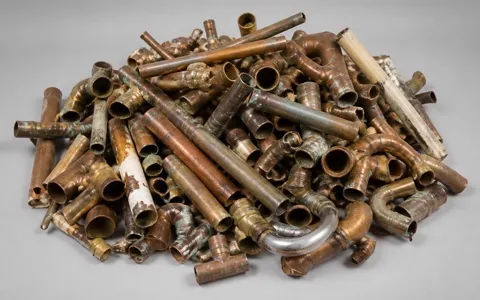
Copper pipes made of heating and plumbing are the most common seizure in private households. Blank and without soldering points they count to the bare copper; with soldering tin at the ends or brass fittings on them they wander a grade deeper. Copper sheet of roofs, gushings and facades is treated the same way — it is also crucial here whether varnish or sealant is attached to it.
Copper granules are produced by mechanical separation of cables and occur mainly in plants. It is classified according to purity: the less insulating dust and fineness in it, the higher. Copper blank is the collective term for everything without coating and without contact, regardless of the shape.
A copper candle is a cast copper block, as it is formed when residual quantities are melted in the factory — also called a copper candle. It is massive and clean, but wears a cast skin, and therefore it lies under bare wire.
Copper Berry means bare copper with start-up paint: chemically the same metal as Millberry, only with a thin oxide layer. The distance between both is smaller than that to Raff, but present.
What's on the bill of lading at the end is not stock market listing. There are three things that count, in this order: the grade, the net weight and the daily price. What is important in the classification of old coppers is detailed at Copper scrap.
The grade is determined by the registration itself. The net weight is what goes through after extraction of foreign materials as copper — insulation, iron parts, soldering tin and moisture do not go along as copper. The daily price is above and will be checked every working day.
Millberry is the trade name for blank, uncoated copper wire with a copper content of at least 99 percent. The term comes from the international metal trade and is understood worldwide. If you are looking for the copper price Millberry, you are looking for the price for exactly this quality.
The wires are copper-coloured to light-reddish, not dark and not greenish. They are free of paint and enamel – the usual test is a scratch with the knife: if there is bare copper underneath it, without a layer of paint peeling off, it is bare goods. No soldering at the ends, no silvery tinned veins, no crimped plugs, no iron residue. Millberry is typical for stripping thick cables, electrical companies and cable processing.
The difference with Berry is usually the surface: as soon as the wire has started to run clearly dark or oxidized flat, it slips one step. As soon as paint, enamel, soldering tin or tinned veins are involved, Raff becomes the classic case – wrap wire made of transformers and motors.
Millberry can be directly into the melt without further processing. It does not need to be separated, not depainted, not resold, and the melting loss is low. Therefore, the current copper price for Millberry is the densest on the stock exchange listing. How high it is today, you can see in the price of the day.
The listing can't affect you. The classification is.
Superficial start-up color is normal and costs little. Thick green oxide layers, paint residues and above all soldering tin are what pushes a delivery out of the bare goods and down. Tinned strands remain tinned – they cannot be improved meaningfully, they belong from the beginning in a separate post.
Screws, clamps, steel beads in overhead lines, brass fittings on pipe pieces: everything a magnet adheres to is out. A single iron ring on a bundle of wire is removed in two minutes and decides on the grade of the whole bundle. Separate items per grade always bring more than a mixed pile, which is valued according to the weakest proportion.
With thick cables with finger-thick ladder, stripping is almost always worthwhile: the jump from the cable type to the bare product is clear and the work is quickly done by hand. With thin strands, data cables and mantle lines from the building of houses it is usually not worth it – the time spent is in no proportion to the additional revenue. Do not burn cables under any circumstances: This is forbidden, and burnt scrap metal is devalued.
Those who are currently looking for the copper price, almost always means the daily level per kilogram. This is shown in the table above, separated by grade. A current copper price per kilo is therefore always a daily price: It is followed every working day, and anyone who wants to keep track of the copper price per kilo is looking here. Current prices for copper from last week's list are therefore rarely those of today.
The status is valid on the day of weighing, not at the time of registration. If the market moves upwards between registration and receipt, you get the higher value. Those who currently compare the copper price in euros with another offer should pay attention to the same type: A kilo price for bare wire cannot be held against one for plug cables.
The price of copper depends on two things: the grade and the quantity. The copper price for 1 kg is valid until the first step of the scale. The price for 1 kg of copper is thus the start, not the end: From the scale quantity something comes up, and those looking for the 100 kg of copper price, exactly this season means. It stands for each grade, is the same for all and is not a matter of negotiation.
Current copper prices in euros per kilogram are shown in the table above; what comes out with your quantity shows the season for the respective grade. For quantities beyond the season we calculate individually — for this there is the Supply.
You can send copper to us nationwide by DHL, up to 1,000 kg per process. They specify grade and quantity, receive the shipping label, deliver the package – the rest is running with us. The shipping costs we call before. For smaller quantities, this is the easiest way to Copper purchase to use without driving.
From 500 kg we pick up Germany-wide with our own fleet. The collection costs are staggered after distance and are fixed before the journey. This is the usual way of doing business with an on-going seizure – electrical companies, installers, cable processors. You can describe the quantity and grades briefly about the Tender form, we will come back with a concrete proposal.
You can also bring your copper directly: Industriestraße 4, 67063 Ludwigshafen am Rhein, Monday to Saturday from 9 a.m. to 6 p.m., without appointment. You go to the scales, we look at the goods together, and you get your money. Further delivery points will follow.
Weighing is done on a calibrated scale. You'll get the birth certificate, it's yours. We will take the classification together with you before the goods are weighed – not after that. If you are unsure what your copper is worth, present it: We will tell you what kind it falls into and what that means today.
Payment is made within 24 hours, cash or by bank transfer. In the event of major disbursements, the Money Laundering Act requires an ID card. According to § 13b UStG, we expect commercial deliveries with tax liability of the recipient.
The copper price above is for today. He becomes binding on us with the weighing.
Copper is not a grade, but several, and the kilo price follows the copper content. Blanker wire without wrapping is on top because nothing weighs along that is not copper. In the case of cables, the insulation weighs with and is calculated out, in the case of tinned goods the coating. Berry, candle and heavy copper are in between. The table above shows the maximum price per grade; from the scale quantity, something is added to each grade.
Screw-on iron parts, soldering on pipe ends and residual insulation lower the proceeds because they have to go with the weighing and later be separated. Those who deliver pure grades will be paid pure grades; a mixed lot will be billed according to the weakest grade in it. The classification is done yourself, weighed on a calibrated scale in the factory.
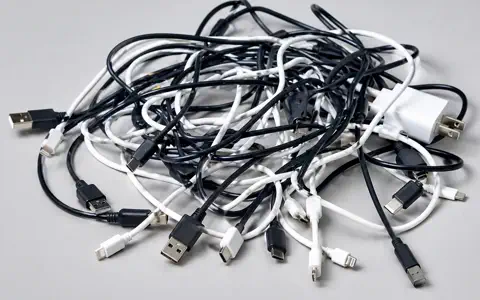
The copper price follows the stock exchange quotation and changes daily – therefore, there is no fixed number, only one daily price. Our verified purchase prices for each copper grade are shown in the table above, each with the date of its last change. What you get specifically depends on the grade: Between a blank Millberry wire and a plug cable with a low conductor content lie in the worlds of proceeds.
The copper price from the news is the listing for pure copper on the stock exchange. Waste copper lies below it: The scrap metal must be sorted, processed and transported, and hardly any delivery is chemically pure. The closer a grade approaches pure copper – for example, bare, insulation-free wire – the less distance to the listing.
Millberry is the trade name for blank, insulation-free copper wire with metallic shiny surface. It is the cleanest grade that regularly arrives in the farm and needs the least preparation – so it is at the top of the price table. Started, lacquered or tinned scrap metal does not count as a millberry, but runs one step below it.
Take the daily price of the grade times 100 – the table on this page calculates it for 1, 5, 10, 25, 50 and 100 kilograms. The amount shown shall be the best classification. If insulation, soldering tin or iron is still attached to it, it is evaluated according to the correspondingly lower grade. In the end, the calibrated weighing is decisive.
There is not one copper scrap price, but one per grade. Purity and conductor content are crucial: bare wire, pipes and collecting rails, mixed cables or plugs are classified differently. For each grade, those who separate pure grades get their own price instead of a mixed valuation according to the weakest proportion.
It's on the cross-section. With strong cables with a high conductor content, stripping is almost always expected, with fine plug cables with multiple sheathing rarely – the effort exceeds the difference there. The ladder portion decides which grade will reach at the end – you can read the distance between the grades on the daily price.
One kilogram brings the daily price of its grade – and the span is large: Blankes Millberry stands above, started or painted copper clearly below, cables are calculated according to their conductor share. The table above shows the copper price kg for each grade. It is important to know that for a single kilogram the journey is not worthwhile, because the proceeds for each copper grade are less than the minimum amount of 25 euros per process. It becomes meaningful from several kilograms or together with other scrap metal.
What is written on the weighing slip is the NETTO weight of the grade times daily price – not the gross weight of the scale. Insulation, iron parts, soldering tin and moisture do not pass as copper. Weighing on a calibrated scale, the weighing slip is yours, and will be paid out within 24 hours. You choose the grade yourself at the time of registration; it is calculated according to the actual grade on the scale.
In the case of cables, the copper content in the cross-section, not the weight, decides. A thick earth cable brings much more than an equally heavy roll of thin mantle line per kilogram – the difference lies in the proportion of the conductor alone. Therefore, there are several types of cables instead of one price, staggered by copper content. What grades we distinguish and what they bring today is under Copper cable purchase.
Half a kilo brings half the kilo price of its grade – and is therefore far below the minimum amount of 25 euros per process for each copper grade. This amount is not worth selling as a private sale. Put them to what else is involved: brass, aluminum and stainless steel are billed in the same process, each grade with its own price. So the amount comes together without you driving twice.
There is no fixed legal limit in kilograms or euros in Germany: As a private person, you are allowed to give out as much copper as you have. Three other points are crucial. First, the origin. You can only sell what belongs to you – for example from your own renovation or from pipes and pipes of your own house. Material from a construction site or the employer usually belongs to the customer or company; anyone who sells it privately risks the accusation of embezzlement. For larger quantities and for new cable we therefore ask about the origin. Secondly, frequency and scope. Those who occasionally give away their own household items or material from the renovation sell privately. Those who sell regularly and with the intention of profit, thus collect, buy or systematically take material from orders, can be classified as commercial by the tax office – with business registration and taxable income. There is no fixed limit to this, it depends on the individual case. Thirdly, the duties of purchase. Every purchase is documented, and in the event of major payments, the Money Laundering Act requires an ID card. In short: to give up your own old copper occasionally is unproblematic, even in larger quantities. Those who regularly sell or cannot safely prove their origin will better clarify this with a tax consultant in advance. This is not legal or tax advice.
Enter once and you will know as soon as the purchase price of your grade moves. No subscription, can be canceled at any time with one click.
Cookies
This demonstration uses browser storage for your cart and preferences. No advertising or analytics services are loaded.