Millberry copper
Article No MET-KU-MILL
up to
11,13 €
/kg
- up to 40 kg 10,60 €
- from 40 kg 10,81 €
- from 100 kg 10,97 €
- from 250 kg 11,13 €
Estimated payment:
There is not one copper scrap price, but one per kind – here they all stand.
10,60 €/kg
for copper Millberry – the grade with the highest classification. All other copper grades are shown in the table below. With the quantity scale up to € 11,13/kg from 250 kg.
The gradeThere is not one copper price, but one per grade. What your scrap metal does is determined by purity, isolation and adhesion – not by weight alone. Enter your amount: The expected proceeds are immediately next to it, and you can put the grade right into the sales basket.
Estimated payment:
Estimated payment:
Estimated payment:
Estimated payment:
Estimated payment:
Estimated payment:
Estimated payment:
Estimated payment:
Estimated payment:
Estimated payment:
Estimated payment:
Estimated payment:
Estimated payment:
Estimated payment:
Daily prices, daily checked. They apply to pure scrap metal. The decisive factor is the calibrated weighing after the assessment – the data are a guideline, not a commitment.
Calculated with today's price for copper Millberry – the highest grade – and with the quantity scale, not with the basic price times quantity. Started, lacquered or isolated scrap metal is below; the grade table above shows how much.
| Quantity | Price per kg | Revenues at best classification |
|---|---|---|
| 1 kg | 10,60 € | 10,60 € |
| 5 kg | 10,60 € | 53,00 € |
| 10 kg | 10,60 € | 106,00 € |
| 25 kg | 10,60 € | 265,00 € |
| 50 kg | 10,81 € | 540,50 € |
| 100 kg | 10,97 € | 1.097,00 € |
From €1,000 payment, the Money Laundering Act requires an ID card. Up to 1,000 kg you can send in copper as a DHL package throughout Germany; from 500 kg we pick up.
Copper scrap is scrap metal whose value is in the copper content: wire, pipe, sheet metal, rail, winding, cable. The fact that copper becomes dark or green over time is not a deficiency — the oxide layer just sits on top. Something else decides on the proceeds: how pure the scrap metal is and what is still attached to it. The copper scrap price per grade is shown in the table above, with the status of the day.
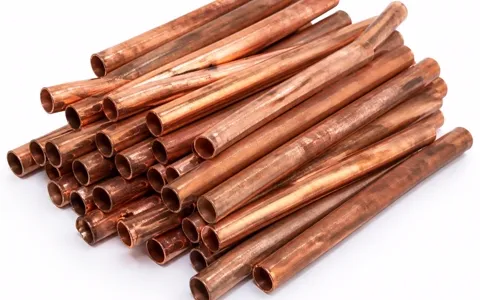
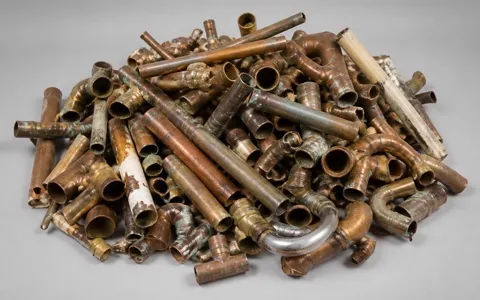
Most of the copper scrap in Germany comes from buildings. Installation lines and supply lines are used in an electrical renovation, and pipes are mainly used for sanitary and heating: drinking water lines, heating strands, copper pipe from underfloor heating. Pipes are clean scrap metal, as long as no soldering points, brass fittings or steel tube clamps sit on them.
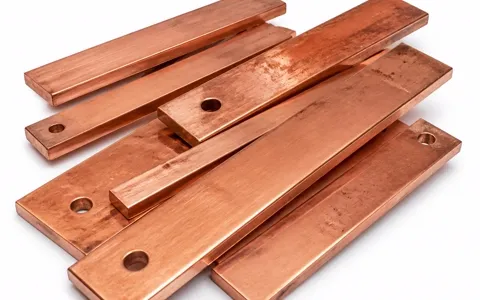
The dismantling and disassembly of systems are used for assembly rails, copper sheets, power rails from switchgear and thick grounding lines. This is often the best copper ever, because it is massive and varietal. Fittings, insulators and bolted-on steel angles are pre-emptive.
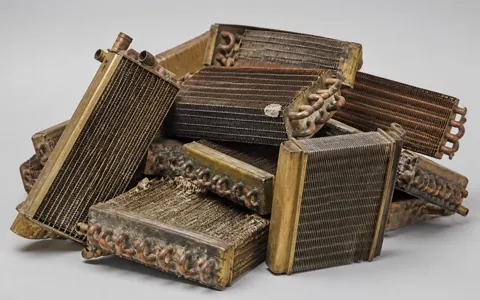
In addition, there are cable residues of all cross-sections, transformers and electric motors with copper winding, coolers made of copper and brass as well as roof cover, drop pipes and rain channels made of copper sheet. For engines, transformers and whole dismantlings it is worth a SupplyBecause the copper content cannot be read from outside.
A current price for copper scrap cannot be said in a single number. A current copper price for scrap is attached to the grade: If you want to sell copper scrap at the moment, you should first know what it has – the price table above indicates your own stand for each grade.
Those looking for the copper scrap price, the copper scrap price currently or the scrap price for copper currently expect a number. There is no such thing — at least not one. There's a copper price for scrap Per gradeand between the best and the weakest copper grades are worlds. A bare wire and a plug cable are both copper scrap, but achieve very different kiloprices.
Therefore, the structure of the price table above is more important than any single number: First search for your grade, then read the current state. Those who call the kilo price for copper scrap without the grade guess.
All grades with the current copper prices for scrap are bundled under Copper and in the full list at Metal prices. If you do not want to classify your scrap metal, but want to follow the listing itself, Copper price the right side — it is about the price of the day and its movement, here about your scrap metal and its sorting.
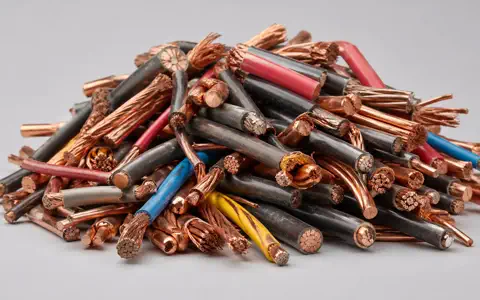
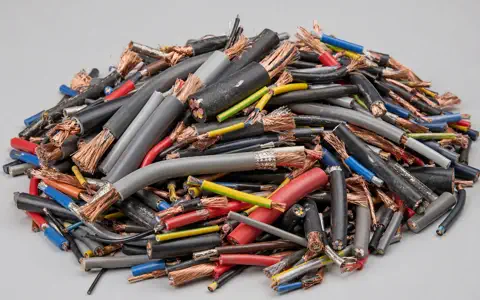
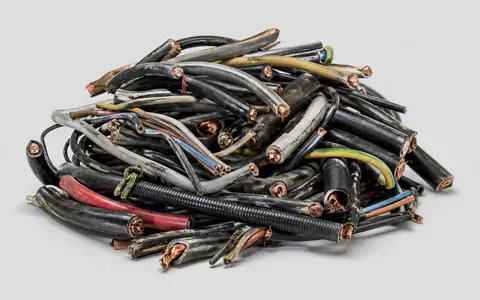
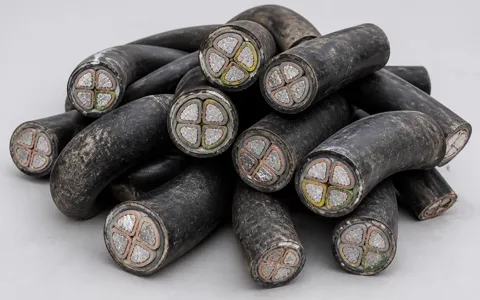
In the case of cables, the weight on the scales is not paid, but the copper in it. A finger-dick earth cable can be heavier than a bundle of installation cables and still bring less because under the thick insulation there is a comparatively thin conductor. This is precisely why the cable types are staggered by copper content, and that is exactly why the question of copper cable scrap prices can only be answered with a glance at the cable.
With thick individual wires and with earth cables with large cross-sections it is almost always worth it: The conductor is quickly free, and from a medium cable type becomes clean wire. With thin installation lines and even more so with plug cables, it is rarely worth it — the working time per kilogram is in no proportion to the surcharge. Rule of thumb: the thicker the ladder, the more likely it is to cut.
What you shouldn't do is burn down cable. Burned conductors are devalued, not upgraded, and it is not allowed anyway. More information in the guide Buying copper and copper cables.
An unseparated delivery is evaluated according to its weakest component. This is not a harassment, but a calculation: we have to take the mixture apart ourselves, and what cannot be safely assigned goes to the lower grade. If you sort an hour, you often move several hundred kilograms to the next higher classification.
Iron is the most common devaluation ground: screws, tube clamps, steel angles, metal boxes on switchgear, shafts in motors. A simple magnet does the test in seconds — it adheres to steel, not copper. What the magnet holds belongs in its own container and runs as iron scrap. How this happens with mixed deliveries, is stated in the guide Metal scrap purchase.
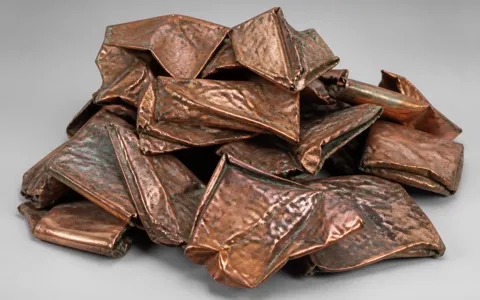
Insulation, adhesive tape and cable ties move the ratio of weight to copper. Soldering tin at tube ends and tinned wires lead into the Raff grade. Coated wire of windings does not count as bare wire. Oxide layers, on the other hand, are uncritical: tapered copper remains copper, dark pipes do not have to be cleaned.
Brass and gunmetal are copper-containing, but own alloys with their own prices — fittings, fittings, faucets, valves, bearing bushings. They do not belong in the copper containers, but to Brass. They are recognizable by the yellowish to reddish-yellow colour; copper is clearly red.
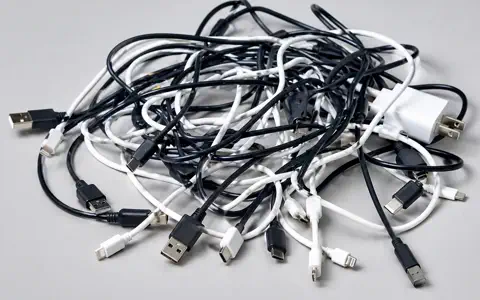
Also not included are aluminium copper composite cables, in which an aluminium conductor carries only one copper coat. They run as Aluminium copper cable. If you mix them under the copper, you pull down the entire shipment.
The copper scrap price is currently shown in the table above, separated by grade, and is tracked every working day. A copper scrap current price without indication of the grade says little: Between blank wire and plug cable lies more than between two trading days.
Those who compare current scrap prices for copper are best comparing grades against grades. Current prices for copper scrap from a list last week are not a standard for today, and a scrap price of copper currently from the news usually means the stock listing for pure cathode copper — not what goes on our scales. You will therefore always find current copper scrap prices here and not in a message from yesterday.
The copper scrap kilo price follows the copper percentage. Top it pulls varietal purity, bare surfaces and thick cross-sections. Lower it pulls iron parts, soldering tin, insulation and moisture because they have to go with the weighing and later be separated.
Copper prices Scrap and copper price Scrap currently mean the same thing: the level per grade on the day of weighing. Copper scrap prices are currently worth comparing only for the same grade — current scrap prices for copper from two different classifications are two different figures. The classification is done yourself.
Smaller and medium quantities are sent by DHL parcel shipping, up to 1,000 kg. You choose the grade, specify the quantity, receive the shipping label and submit the package. For copper, this is calculated earlier than for other metals because the kilo price is high and the volume is small.
From 500 kg we pick up Germany-wide with our own fleet. The collection costs are staggered after distance and are fixed before the journey. This limit is quickly reached when dismantling, disassembly and cable drums from the electro-gross trade.
Directly to our recycling yard: Industriestraße 4, 67063 Ludwigshafen am Rhein, Monday to Saturday from 9 a.m. to 6 p.m., without appointment. They drive on the calibrated scales, we look through the goods together and determine the grade. Further delivery points will follow. What you should bring is under Delivery.
Weighing on a calibrated scale, the weighing slip is yours. Payment is made within 24 hours, cash or by bank transfer. In the event of major disbursements, the Money Laundering Act requires an ID card. If you deliver commercially, the tax liability of the recipient shall apply in accordance with § 13b UStG — will then be charged without VAT.
We buy from private and commercial, as a family business with over ten years of experience and our own recyclable farm. The person who regularly delivers copper scrap gets a fixed contact person and a classification that remains comprehensible — at the farm, at the collection and at the dispatch.
Copper is not a grade, but several, and the kilo price follows the copper content. Blanker wire without wrapping is on top because nothing weighs along that is not copper. In the case of cables, the insulation weighs with and is calculated out, in the case of tinned goods the coating. Berry, candle and heavy copper are in between. The table above shows the maximum price per grade; from the scale quantity, something is added to each grade.
Screw-on iron parts, soldering on pipe ends and residual insulation lower the proceeds because they have to go with the weighing and later be separated. Those who deliver pure grades will be paid pure grades; a mixed lot will be billed according to the weakest grade in it. The classification is done yourself, weighed on a calibrated scale in the factory.
The copper price follows the stock exchange quotation and changes daily – therefore, there is no fixed number, only one daily price. Our verified purchase prices for each copper grade are shown in the table above, each with the date of its last change. What you get specifically depends on the grade: Between a blank Millberry wire and a plug cable with a low conductor content lie in the worlds of proceeds.
The copper price from the news is the listing for pure copper on the stock exchange. Waste copper lies below it: The scrap metal must be sorted, processed and transported, and hardly any delivery is chemically pure. The closer a grade approaches pure copper – for example, bare, insulation-free wire – the less distance to the listing.
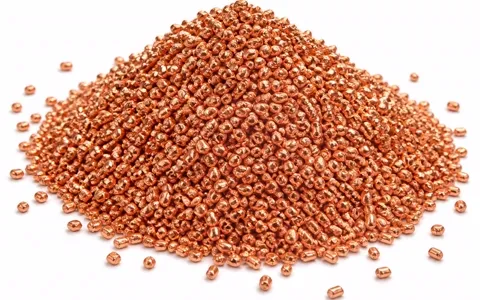
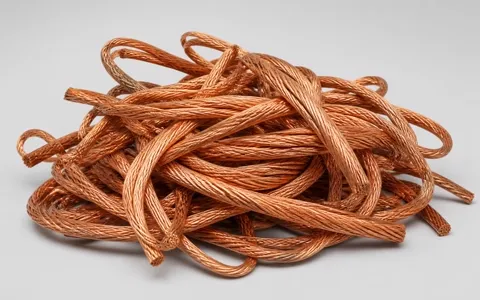
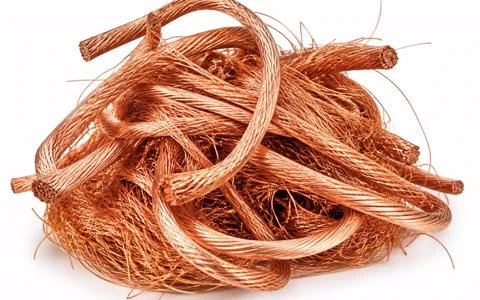
Millberry is the trade name for blank, insulation-free copper wire with metallic shiny surface. It is the cleanest grade that regularly arrives in the farm and needs the least preparation – so it is at the top of the price table. Started, lacquered or tinned scrap metal does not count as a millberry, but runs one step below it.
Take the daily price of the grade times 100 – the table on this page calculates it for 1, 5, 10, 25, 50 and 100 kilograms. The amount shown shall be the best classification. If insulation, soldering tin or iron is still attached to it, it is evaluated according to the correspondingly lower grade. In the end, the calibrated weighing is decisive.
There is not one copper scrap price, but one per grade. Purity and conductor content are crucial: bare wire, pipes and collecting rails, mixed cables or plugs are classified differently. For each grade, those who separate pure grades get their own price instead of a mixed valuation according to the weakest proportion.
It's on the cross-section. With strong cables with a high conductor content, stripping is almost always expected, with fine plug cables with multiple sheathing rarely – the effort exceeds the difference there. The ladder portion decides which grade will reach at the end – you can read the distance between the grades on the daily price.
One kilogram brings the daily price of its grade – and the span is large: Blankes Millberry stands above, started or painted copper clearly below, cables are calculated according to their conductor share. The table above shows the copper price kg for each grade. It is important to know that for a single kilogram the journey is not worthwhile, because the proceeds for each copper grade are less than the minimum amount of 25 euros per process. It becomes meaningful from several kilograms or together with other scrap metal.
What is written on the weighing slip is the NETTO weight of the grade times daily price – not the gross weight of the scale. Insulation, iron parts, soldering tin and moisture do not pass as copper. Weighing on a calibrated scale, the weighing slip is yours, and will be paid out within 24 hours. You choose the grade yourself at the time of registration; it is calculated according to the actual grade on the scale.
In the case of cables, the copper content in the cross-section, not the weight, decides. A thick earth cable brings much more than an equally heavy roll of thin mantle line per kilogram – the difference lies in the proportion of the conductor alone. Therefore, there are several types of cables instead of one price, staggered by copper content. What grades we distinguish and what they bring today is under Copper cable purchase.
Half a kilo brings half the kilo price of its grade – and is therefore far below the minimum amount of 25 euros per process for each copper grade. This amount is not worth selling as a private sale. Put them to what else is involved: brass, aluminum and stainless steel are billed in the same process, each grade with its own price. So the amount comes together without you driving twice.
There is no fixed legal limit in kilograms or euros in Germany: As a private person, you are allowed to give out as much copper as you have. Three other points are crucial. First, the origin. You can only sell what belongs to you – for example from your own renovation or from pipes and pipes of your own house. Material from a construction site or the employer usually belongs to the customer or company; anyone who sells it privately risks the accusation of embezzlement. For larger quantities and for new cable we therefore ask about the origin. Secondly, frequency and scope. Those who occasionally give away their own household items or material from the renovation sell privately. Those who sell regularly and with the intention of profit, thus collect, buy or systematically take material from orders, can be classified as commercial by the tax office – with business registration and taxable income. There is no fixed limit to this, it depends on the individual case. Thirdly, the duties of purchase. Every purchase is documented, and in the event of major payments, the Money Laundering Act requires an ID card. In short: to give up your own old copper occasionally is unproblematic, even in larger quantities. Those who regularly sell or cannot safely prove their origin will better clarify this with a tax consultant in advance. This is not legal or tax advice.
Enter once and you will know as soon as the purchase price of your grade moves. No subscription, can be canceled at any time with one click.
Cookies
This demonstration uses browser storage for your cart and preferences. No advertising or analytics services are loaded.