For metal purchase – all prices & sell directly
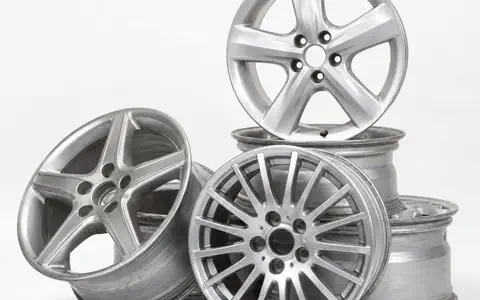
Aluminium wheels: clean, loaded or no aluminium at all
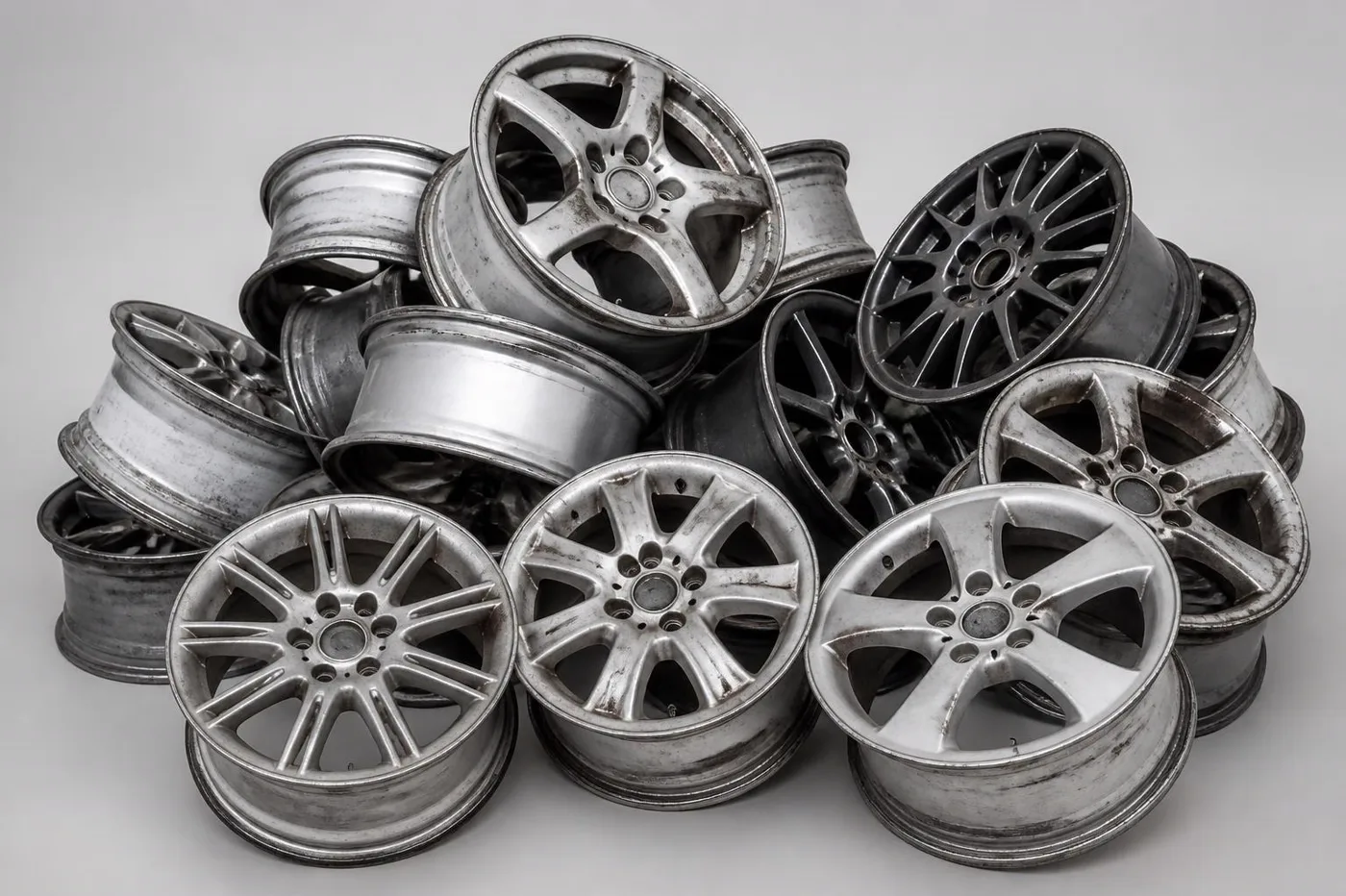
Four wheels have been in the garage since the set of winter tires was replaced. They all look the same: silver, round, heavy. Nevertheless, there may be three different grades — and whether it is worth putting an hour's work in before that, decides on parts that you can only see when you know where they are sitting.
Who wants to use aluminium wheels clarifies three questions in this order: Is it even aluminum? Is there anything else on it? And does everything belong in the same kind? This post answers them with magnet, ankle, kitchen scale and a look at the back.
Is the rim even aluminum?
That sounds banal, but it's the question where the most goes wrong. Steel rims with a silver wheel trim look like aluminium rims, and a painted steel rim without aperture even more.
The magnetic test, correctly set
A magnet adheres to steel and not to aluminium — that is clear if it is put in the right place. Do not put it on the wheel screws, not on the hub cover and not on a balance weight, but on the spoke itself and additionally on the rim. On an aluminium rim, the magnet falls off everywhere. If it stops in one place, look for the steel part there: An aluminium rim can carry a pressed-in steel bush, a steel ring or a bolted steel part without being steel itself.
Weight and sound
Aluminium has a density of about 2.7 grams per cubic centimeter, steel of 7.85. A steel rim of the same size therefore weighs about twice. Anyone holding a rim in each hand immediately notices the difference.
The sound is the second feature: Hit the rim with the ankle or a screwdriver handle. Steel sounds bright and sounds like, aluminum casting responds with a short, dull tone that immediately mutes. The most obvious thing to hear is when the tire is off — a mounted tire dampens both.
The back reveals the production path
Turn the rim around. An aluminium rim is cast or forged and wears on the back Cast-in markings: Inch diameter and mouth width, press-in depth, a part number, foundry sign, often the word ALLOY. The surfaces are round, the transitions are soft, and cast ridges run as lines over the spoke ridges.
A steel rim is pressed and welded: wheel bowl and rim ring are two parts, in between runs a visible Welding seams or a dot welding series. The markings are not poured in, but punched or stamped. And the center of the wheel is mostly open, because a plastic panel snaps in there.
The scratch on the cover
If magnet and sound do not convince: At a place that no one sees — inside the rim horn — with a file or knife briefly through the paint. Aluminium appears light, white silver and soft underneath, the file grips easily and lubricates. Steel is darker grey, the file attacks harder, and the place starts rusting after a few days.
Magnesium: the third possibility
Rarely, but they are available: magnesium rims from motor sports or older sports cars. Magnesium has a density of about 1,74 — such a rim is remarkably lighter than aluminum, almost unbelievable light. Markings as MG or Magnesium on the back are the second clue. Magnesium is not an aluminium and does not belong in the aluminium container. Cancel such wheels over the Supply In the case of a vehicle, the vehicle shall be fitted with a wheel type.
What ‘clean' means — part by part
Clean means: nothing about it that is not aluminium. This is not a matter of glamour. A blunt, scratched, futile rim without attachments is clean goods; a freshly polished rim with tires is not. Lacquer, clear varnish and powder coating are normal and do not disturb.
The tire
As long as the tire is raised, half the rim is invisible. You don't see the inner rim horn, the inner tread surface is not and therefore not the weights that are sitting there. A rim with tyres cannot therefore be classified as a clean product, regardless of what is below.
In addition, what's in the tire: The bulge starts Steel wire core all around, with steel belt tires additionally steel fabric in the belt. So a cut tire residue brings not only rubber, but iron.
Balancing Weights — And Where They Hide
This is where the most common rest lies. There are two types, and you can usually only find the one:
- Impact weights sit with a spring clip on the rim horn. You're sitting on the and of the inner Side — the outer one does not see the inner one with mounted tires. They are made of steel or zinc, with older wheels made of lead. With a balance weight lifter or a wide screwdriver, they leave without damaging the rim.
- Adhesive weights are flat bars, which are glued inside in the rim bed, often in a row and often under a plastic strip. They're invisible with tires. They dissolve with a plastic wedge and some patience; the glue residue must remain, the weight not.
Why that counts: Lead and zinc are their own grades — Lead and Zinc — and in an aluminium batch, they are impurity. A magnet pulled over the rim horn finds the steel weights in seconds.
The valve
Three types of construction, three consequences:
- The Rubber valve is plugged from outside. In the rubber Brass tubes — remove the rubber, have brass in your hand, no rubber cap. Brass belongs to Heavy brass scrap, not in the aluminium container.
- The Metal valve is plugged from the inside and screwed with a nut, mostly brass or aluminum with steel nut. Unlock the mother, take out the valve.
- The Tyre pressure sensor on newer vehicles is an electronic housing with battery, which is screwed to the valve. It's not scrap metal, it's electronics. He has to get out — and if the bike is still to be driven, he can be saved anyway.
Wheel screws, lids, rings
What is regularly overlooked, because it is so self-evident:
- Wheel screws or nutswhich have been stuck in the holes. Steel, magnetic, belongs to: Iron scrap.
- Hub covers and decorative caps made of plastic, partly with chromed surface, partly with a steel clamping ring inside.
- Centrings made of plastic, which sit between hub and rim and remain stuck when the wheel is removed.
- Rim protection rings made of plastic or rubber on the rim horn.
- Lock screws and anti-theft devicesThey're stuck in a hole.
Multi-part rims
Two and three-part wheels are screwed all around: twenty to thirty Steel screws in a circle, sometimes a sealant. They can be completely disassembled, and those who turn out the screws then have aluminum and a bag of iron scrap instead of a burdened rim. He who does not disassemble them has a burdened commodity.
Which lowers the classification
Concretely, in the order of weight they contribute:
- The reared tire. The largest single weight and the only one that safely pulls down the classification.
- Balance weights, especially the inner ones that can't be found without tire removal.
- Valve and tire pressure sensor.
- Wheel screws in the holes.
- Steel screws multi-part wheels.
- Plastic: hub cover, centering rings, decorative blinds, protective rings.
- Steel rims between the aluminium wheels. Unsorted, the iron portion pulls down the whole amount. We buy it, just under Iron scrap — two separate stacks on the trailer are sufficient.
- Sealing compound, tyre assembly paste, old tire foam and the remains of breakdown spray in the rim bed.
- Rims drilled or coated with steel and wheels with welded-in repair points.
Sorting aluminum rims means: looking for the attachments, not judging the surface. What does not hurt: paint, clear varnish, powder coating, anodised layers, brake dust, scattered salt stains, grinding marks from the curb, a cracked spoke, a bump in height. Optical damage does not change the grade.
What is worth disassembly and what is not
The calculation is simple and depends on only two sizes: the distance between Clean aluminium alloy wheels and Unclean aluminium alloy wheels on the day of sale and the time you need. You can see the distance in the price table below Aluminium wheels Scrap price.
Remove weights, valves and wheel screws goes without special tools and is almost always worth it. Pulling off the tire requires a motley machine; if you are in the workshop anyway, take it with you. To disassemble a multi-part rim is a filthy work, which rarely pays off with a single wheel and with a whole set quite.
If rims are produced together with other aluminium — profiles, plates, castings from the same workshop — the following are: Clean cast aluminium and Mixed aluminium scrap the neighbouring grades. All types of aluminium with their demarcations are subject to: Aluminium, the daily price below Aluminium price.
Special cases
Motorcycles are usually aluminium, but often carry a steel brake disc support, steel spokes or a pressed-in bearing seat. The brake disc is steel and is unscrewed.
Trailers and caravans are mainly steel, even if they are painted silver. Put on the magnet.
Truck wheels are available in both materials. The aluminium wheels are heavy single pieces and quickly weigh the scales as a set; the steel wheels are iron scrap.
Wheel caps Plastics are not scrap metal, even if they are chromed.
So the scrap metal comes to us
Deliver yourself: Industriestraße 4, 67063 Ludwigshafen am Rhein, Monday to Saturday 9 a.m. to 6 p.m., without appointment. It is weighed on a calibrated scale, the weighing slip is yours. For the Rhine-Neckar area this is the most direct way; further delivery points follow. What happens on the farm is under Delivery.
Collection: from 500 kg Germany-wide with own fleet. The collection costs are staggered by distance, are between 40 and 350 euros and are fixed before the trip. This is the usual way for tyre dealers, workshop and fleet because there are always rims there — the process is under Collection.
Submit: up to 1,000 kg per shipment throughout Germany, maximum 31.5 kg per package, shipping label from us by e-mail, 6 euros per package, which will be charged with the payment. For rims this is the exception: The ratio of weight to value makes shipping rarely useful here. In case of doubt, ask beforehand about the Supply.
Choose grade, payout
The first grade is done by selecting the grade at the time of sale. The actual type is billed — so half an hour pays off with a magnet and a weightlifter before the wheels come on the trailer.
Payment is made within 24 hours after receipt of the weighing slip, cash or by bank transfer. The minimum payment is 25 euros, and from 1,000 euros the money laundering law requires an ID card. We charge commercial deliveries by credit in accordance with § 14 para. 2 VATG; for scrap metal, the recipient of the benefit owes the tax in accordance with § 13b para. 2 no. 7 VATG.