For metal purchase – all prices & sell directly
Selling tin: pure tin, china tin and soldering tin
Tin is the scrap metal in which sight is least helpful: a bar of pure tin, a tin cup and a rod of leady lot all look grey, but are far apart when purchased – between pure tin and tin-poor lot is a multiple. Those who can divide the three groups sell varietal instead of as a mixture. Here are the samples with which this can be done without a laboratory, and the calculation of why separation in tin is worthwhile earlier than in any other scrap metal.
First check if it is tin at all
Four samples exclude the most common confusions before you go to the grades.
Magnetic sample. Tin is not magnetic. If the magnet sticks, iron is stuck in the part: a steel core in a figure, a screw in the foot, a steel sheet under the tin layer. The most important case is tinplate – tinned steel sheet made of cans and sheet metal packaging. The tin coating is only a few micrometers thin and weighs practically nothing; tinplate is Iron scrap And no tin.
Wipe test on paper. Rub the cut surface over a white leaf. Lead leaves a distinct grey line and lubricates, tin leaves hardly a trace. Anyone who checks two pieces side by side immediately sees the difference – this is the fastest sample to find lead-rich goods.
Fracture and filing sample. Tin is soft: The file sits down, the chip rolls, the fracture surface is coarse grained and matte grey. Zinc die-casting, which is often thought to be tin – door handles, fittings, model parts – is brittle: it splits brightly, breaks with shiny crystalline surface and cannot be bent. Zinc overflows Selling zinc.
Weight and sound sample. Two equally large pieces in both hands: lead is significantly heavier than tin, zinc and aluminium are significantly lighter. Beaten tin sounds dull and short, brass and bronze sound bright and long after. And yet another confusion: wire, which is silvery outside and red at the edge of the cut, is tinned copper. This is Light copper scrap And no tin.
Recognize Pure Tin
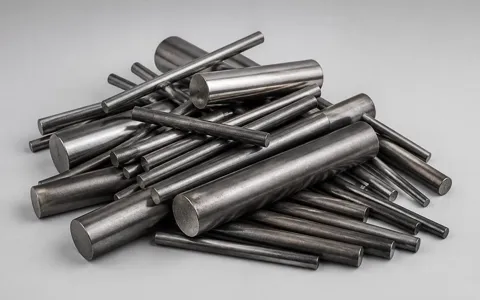
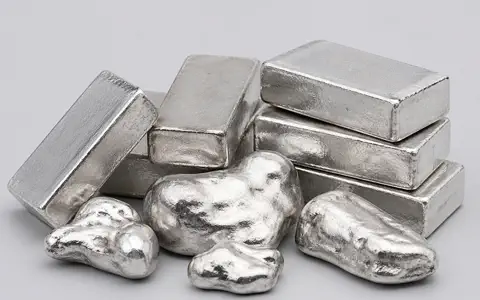
Reinzinn is the highest commercial quality and is in our list as Tin 99 %. Typical forms: bars and blocks from stocks, anode residues from galvanic and tinning, tubular tin, tin foil, foundry residues.
The characteristics are verifiable. Freshly cut, pure tin is silvery light and shines briefly, in the air it becomes evenly matte grey – without green flowers, because green flowering points to copper underneath. The fingernail leaves a trail, a sheet of metal pinches instead of feathers. The most obvious sample is bending: a rod or strip of pure tin crunches audible when bending, a fine crackling that is held to the metal's ear. Alloyed tin doesn't do that. And a special case that irritates: grey, pocky, crumbling areas of tin that lay long in the cold. The metal remains tin and the content remains the same; the product only decays more easily and should be transported in the bag.
On bars and rods from plants, the name is often directly on it. An indication such as Sn99 indicates the salary; analytical certificates from the stock are best attached.
Recognize china
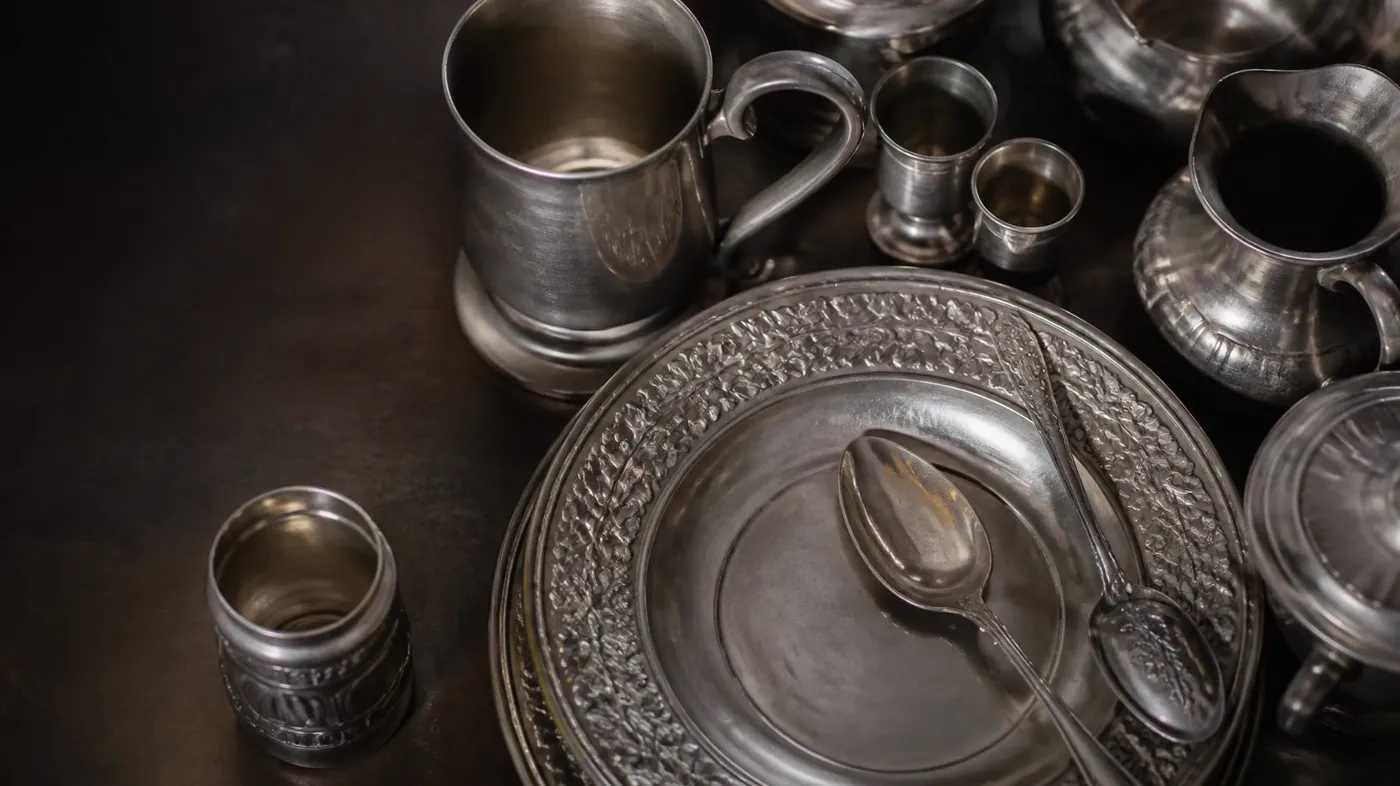
Tin is alloyed with antimony and copper – therefore harder, more stable and polishable. Typical pieces: mugs, jugs, pots, plates, guild cups, figures, reliefs, candlesticks.
What you're fixing it to: The fingernail slips off, where it pulls a trail on pure tin. The surface is polished or rotated and often shows fine rotation grooves in the ground. When bending, it doesn't crunch, but springs and cracks. The sound is a bit brighter than pure tin, but remains short. And the most important note is on the floor: crockery almost always bears a stamp, often a percentage for the tin content, a manufacturer's brand or the designation Britannia for tin-rich alloys. Older dishes often contain lead and antimony – the wipe test on paper shows the lead content more reliably than any stamp.
Where tableware tin runs, the tin content decides: high purity tableware counts to 99% tin, alloyed to the tin-rich grades such as Tin 90 %. The content is determined by an analysis, not by sight and not by the stamp.
Two things belong previously examined. First, the collector's value: For guild cups, marketed jugs and figures, the often above the metal value – then melting is the worse way. Second, the accessories: wooden handles, felt floors, glass floors used, hinges and lid joints made of other metal, screws in the foot. The magnet finds iron parts in seconds.
Detect brazing
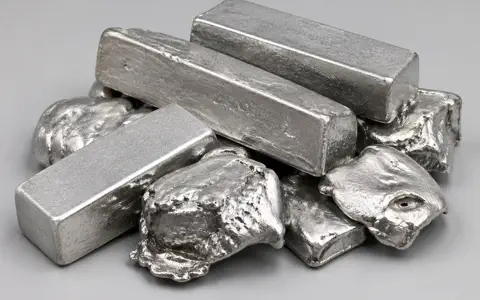
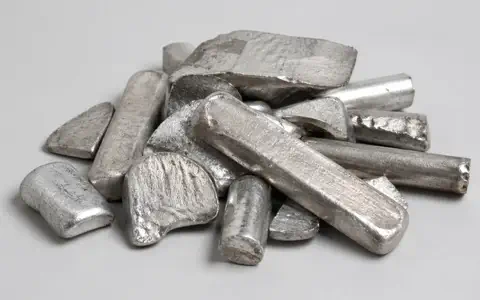
Soldering tin is tin-lead lot or lead-free solder from manufacturing and installation. Typical forms: wire solder from the coil, solder bars and bars, soldering soldering soldering soldering soldering, solidified residuals from brazing baths and wastes from the bath surface, crucible residues.
Features: Lead-rich lot is darker and bluish-grey, looks matter than pure tin and lubricates when rubbing. The more lead, the heavier and the softer. The wiper test is the sharpest part here. Flux residues stick as brownish resin to wire solder and in crucible residue, bath extract is grey, crumbly and interspersed with oxide brittle.
The most reliable is the inscription. Coils, rods and cartons bear the alloy designation: An indication with Sn and Pb indicates both percentages, the number behind Sn is the tin content. The grade is determined by:
- Tin 90 % – Tiny fine solder and solder rods from the installation
- Tin 60 % – classical electronic solder as wire solder, solder bar and crucible rest
- Tin 30 % – Tin-poor tin-lead lot, noticeably heavier, from installation and industry
- Tin solder – mixed solder residues and solder bath removal from production, if the alloy is not known
Lot with very high lead content arrange over Selling lead One. We do not accept soldering sludges and filter dusts from the extraction: they are not meltable and are part of a waste disposal operation.
The calculation: why separation is so strong here
In tin, the lever does not depend on the weight, but on the content. Three ratios, no prices:
The mixture. Put one kilogram of pure tin into a bucket of four kilograms of tin-poor lot, then the delivery is evaluated according to what the mixture actually gives – after a content close to the solder. The pure tinning loses almost its whole lead and the solder does not get better. Exactly the reverse is true: half an hour of sorting on a bucket with solder residues has a stronger effect than an hour of cleaning on a bar.
Foreign weight. Felt, wood, glass, screws and steel cores lie on the calibrated balance without carrying any metal value. With a tin jug with wooden handle and glass bottom, this is slightly one fifth of the weight. Rule of thumb: What can be removed in one minute with screwdriver and pliers is removed. What is firmly shed or pressed in remains to it.
Sort yes, clean no. Started surfaces, matt patina, flux residues and light dirt do not disturb the recycling and are not worth working time. Separation is worthwhile, do not polish. But the goods were not to arrive wet and earthy, for water and earth weigh with them.
Quantity and shipping. Tin is dense: A small, solid carton quickly reaches the limit of 31.5 kg per package. Therefore, pack several small cartons instead of one large, and fill solder residue, bath extract and scabies in double bags so that nothing comes out. Because tin-rich goods weigh heavily and are highly classified, a reasonable amount of tin comes together with just a few kilograms – the minimum payment of 25 euros can be reached here earlier than with almost any other scrap metal. The daily price of each grade shows Tin price.
Which lowers the classification
- Iron cores, steel pins and screws in figures and vessel sockets
- Soldered and soldered parts on pure tin: a solder seam makes of pure tin alloy
- fluxes, scabs, slag and bath extract in the same container as clean tin
- Colour and varnish coatings, tinned external parts, galvanic coating
- Wooden handles, felt floors, used glasses, plastic parts
- Composite bearing with cast-on steel support shell: inseparable, therefore mixed product
- Reintinn and solder in the same bucket – the most common and expensive error
- Wet, soil and oil, because each gram of it is weighed
- Batteries and batteries that lie between electronic residues: we do not accept
Choose the grade yourself at the time of sale; it is calculated according to the actual grade on the calibrated scale. That's why the wipe test pays off before you commit.
How the tin comes to us
Three ways, Germany-wide and in the Rhine-Neckar area. Package delivery: send up to 1,000 kg throughout Germany, a maximum of 31.5 kg per parcel, the shipping label comes from us by e-mail, 6 Euro per package will be charged with the payment – this is how it works Package delivery. For tin, this is usually the right way, because small quantities are already in the weight. Collection: from 500 kg throughout Germany; the collection costs are staggered by distance, lie between 40 and 350 Euro and are fixed before the journey, see Collection. Delivery: Industriestraße 4, 67063 Ludwigshafen am Rhein, Monday to Saturday 9 a.m. to 6 p.m., no appointment, see Delivery; further delivery points follow. Weighing on calibrated scale, the weighing slip is yours, will be paid within 24 hours of receipt of the weighing slip. From 1,000 euros the money laundering law requires an ID; we charge businesses by credit in accordance with § 14 para. 2 VATG.
In brief
Magnet on it, wiping test on paper, fingernail on top, reading stamp and inscription – four handles, and the three groups are separated. Reinzinn crunches while bending and takes on the nail paint. Crockery tin is hard, polished and stamped. Soldering tin is darker, lubricates on paper and wears its alloy as an inscription. All tin grades in an overview can be found on Selling tin and in the group Non-ferrous metals. If you call us grade and quantity, we will calculate the proceeds in advance: Request a quote. Further questions about tin, shipping and weighing answer the common questions.